Garlic Mustard Extravaganza in the Enchanted Forest

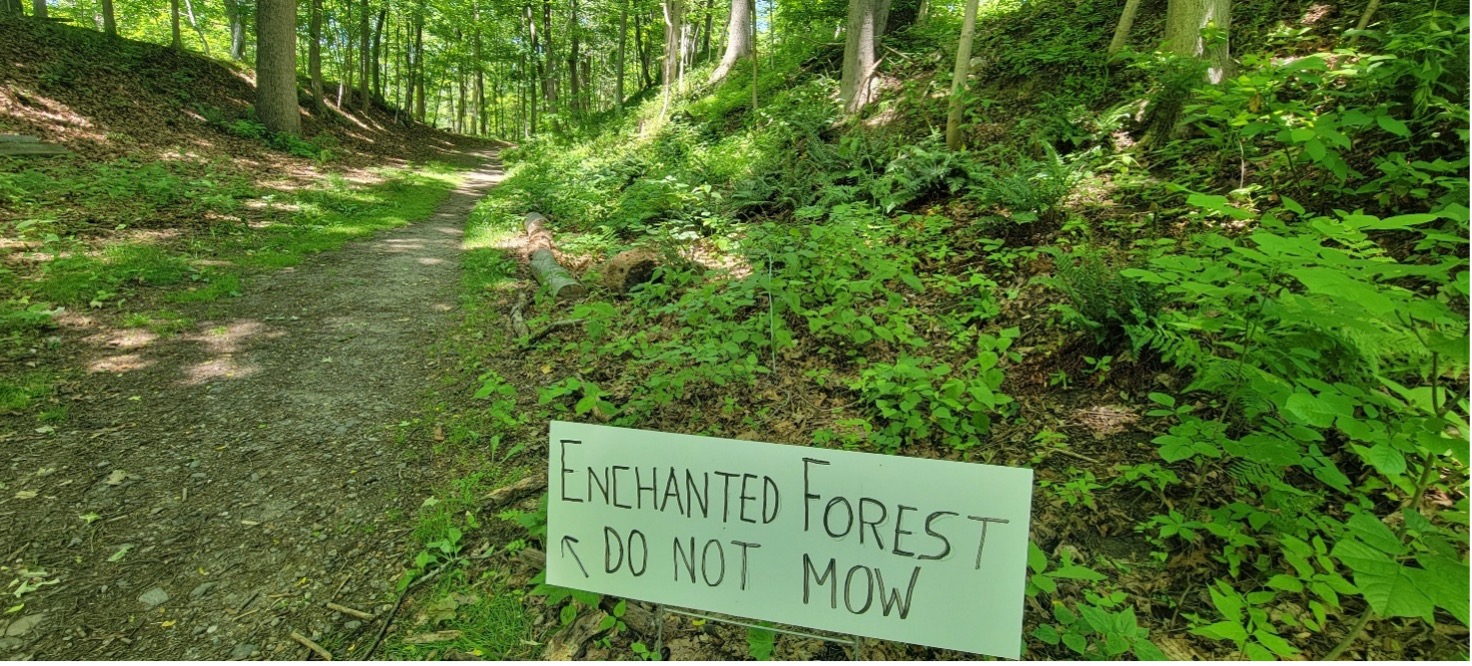
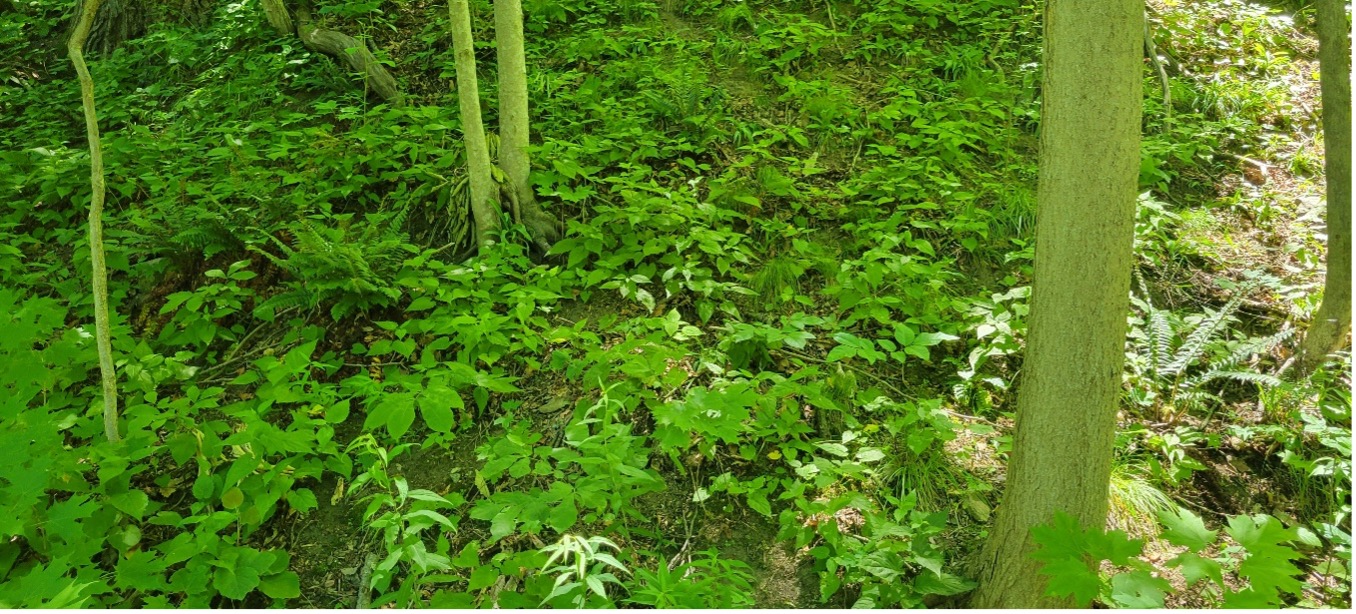
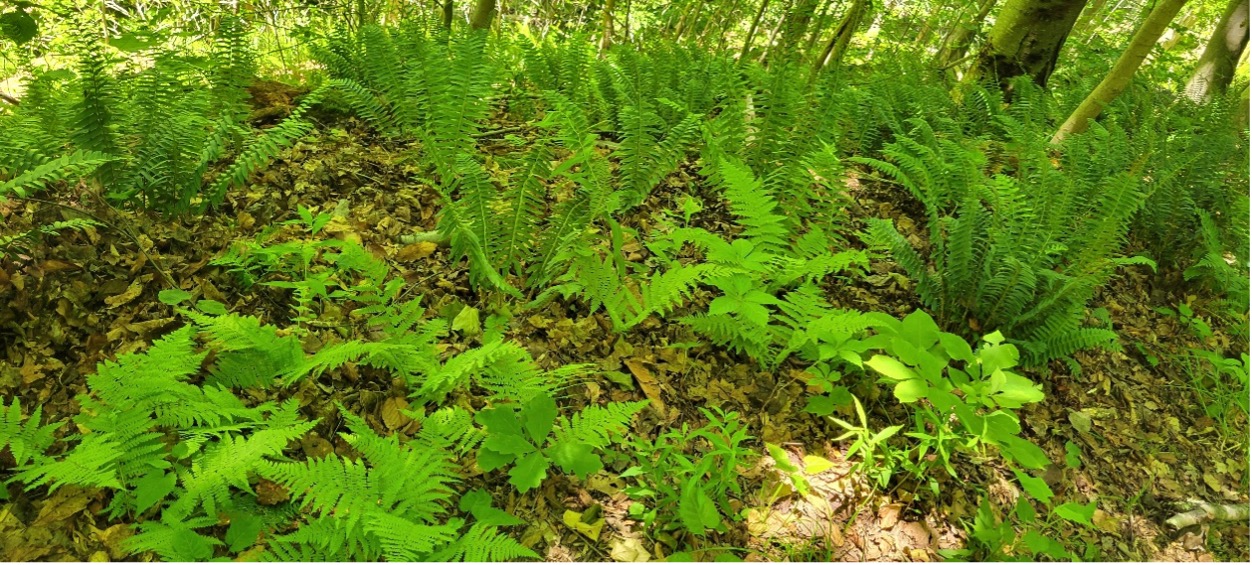
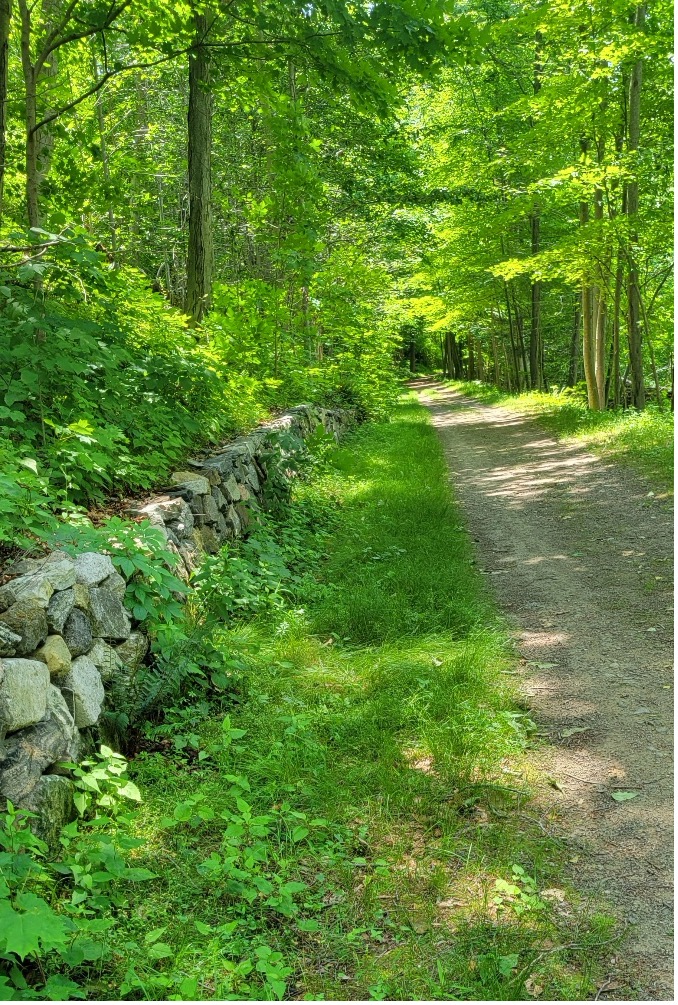
These photos were taken in June 2026 in a section of the Old Croton Aqueduct in the Town of Cortlandt that we have been tending since 2012, removing dangerous and harmful tick-harboring Barberry bushes, tree strangling vines, and many other invasive plants and bushes, with the result that many native species have begun to emerge, most likely due to a combination of spreading by birds, animals, wind, and a robust native seed bank in the soil. It is gorgeous, full of native plants, ferns, sedges and grasses that emerge in the spring on the sides of the trail, on the hillsides and along the recently restored stone wall; some bloom in the spring and many in the late fall.
But they continue to be at risk from one of the most harmful plants growing in the area: Garlic mustard.
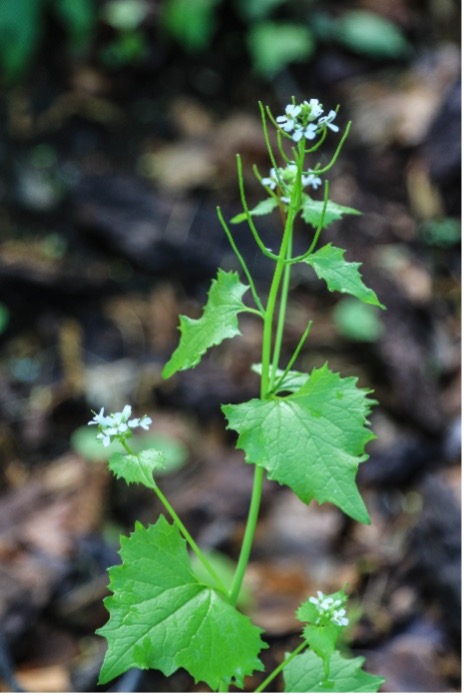
Photo of second year Garlic mustard
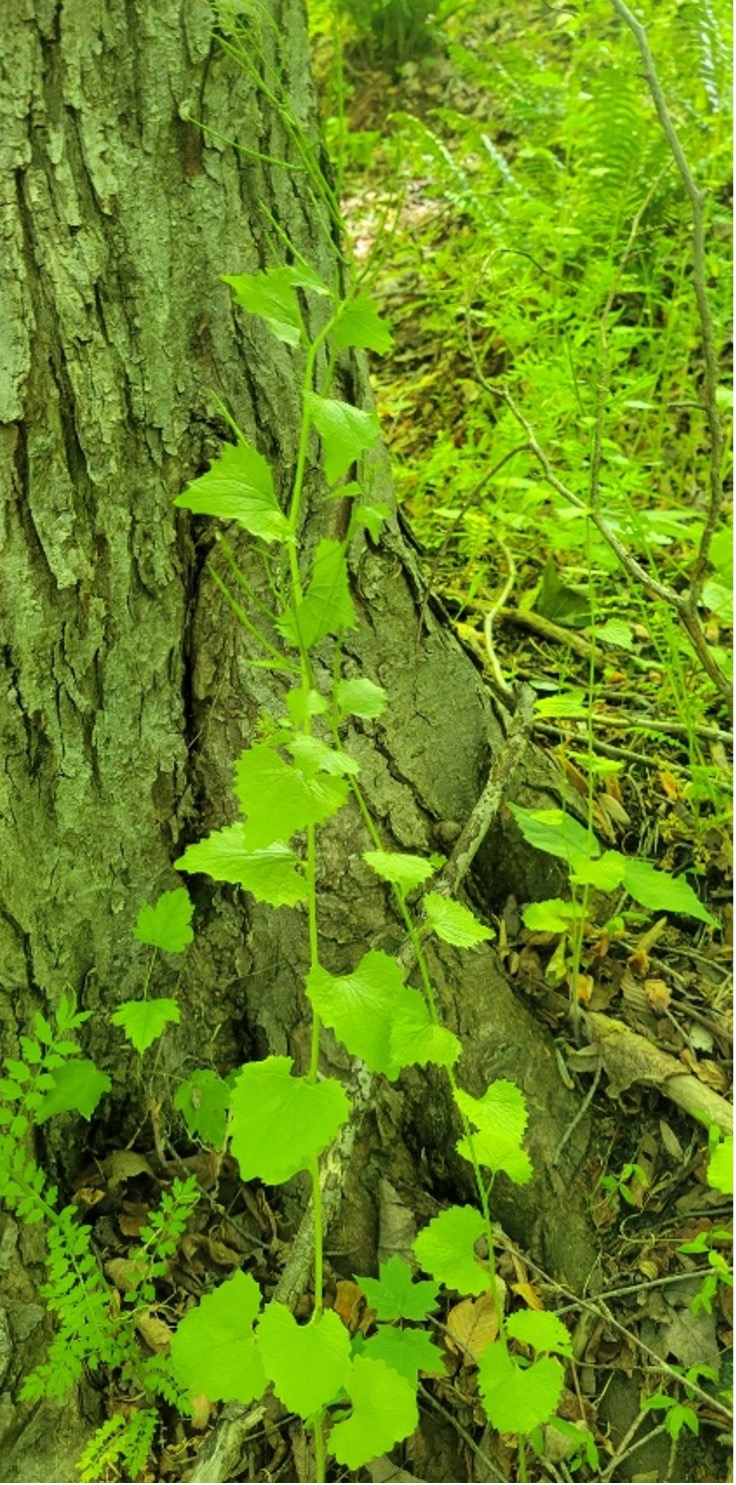
Why is this plant detrimental for the environment? Garlic mustard (Alliaria petiolata) is an invasive, non-native plant that grows profusely, out-competing native plants for light, water and nutrients. Among other negative effects on the ecosystem, these plants release chemicals that destroy the beneficial fungi which the native plants and trees rely upon to grow. If the Garlic mustard plants completely take over an ecosystem, which they can easily do if not controlled, this can trigger an ecological collapse of the understory, resulting in likely starvation of the wildlife over time.
Why now: The mature second year plants of these biannual Garlic mustard plants were just about to drop their seeds, so it was critical that we remove them before they do that, especially since the seeds can be viable in the soil for up to seven years and germinate whenever conditions are conducive.
Sixteen of us gathered on the first Saturday of June, 2026 to inaugurate the first annual Garlic Mustard removal day on the Aqueduct, just in time to participate in ISAW – NY State’s Invasive Species Awareness week. We were a small, energetic and very effective group with members from: Croton’s Lions Cub, a Croton Cub Scout den, the Ossining Youth Bureau, residents of Bronxville, Croton, Ossining and Cortlandt and two Board Members of the Friends of the Old Croton Aqueduct. Three folks came just a bit later in the morning so did not make it into these group photos, but you will see them in the photos below.
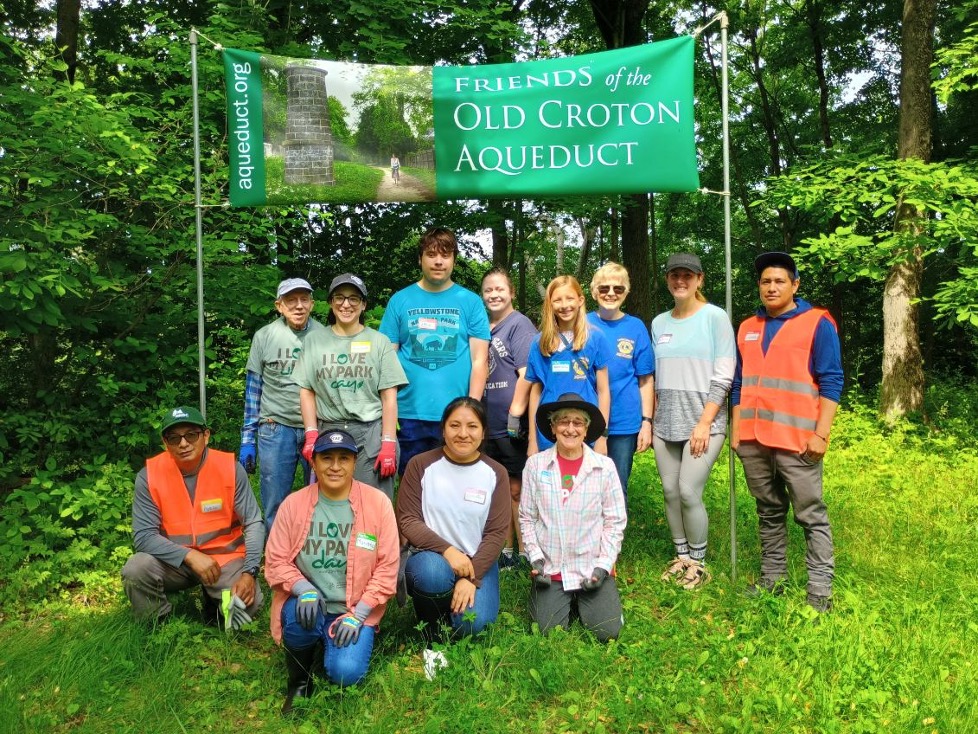
Photo by Norma Silva
We decided to also target two other invasive species growing in the area. one was Nipplewort, Lapsona communis, an annual, in the Aster family, just starting to flower.
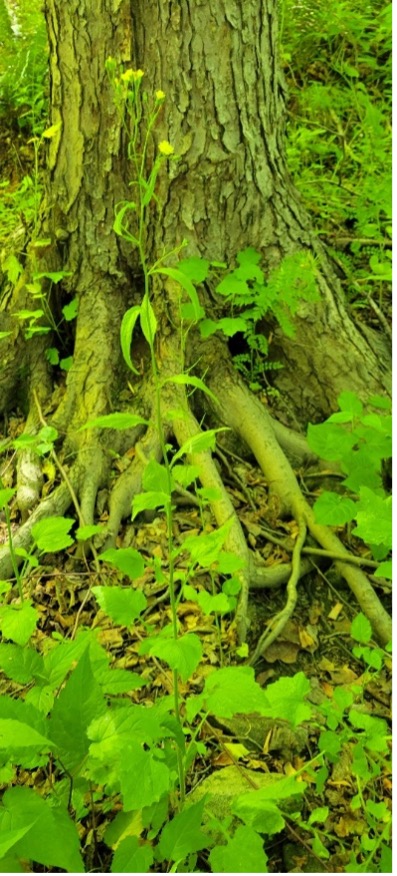
A look alike, Blue-stemmed goldenrod, Solidago caesia, also in the Aster family, grows in this area as well.
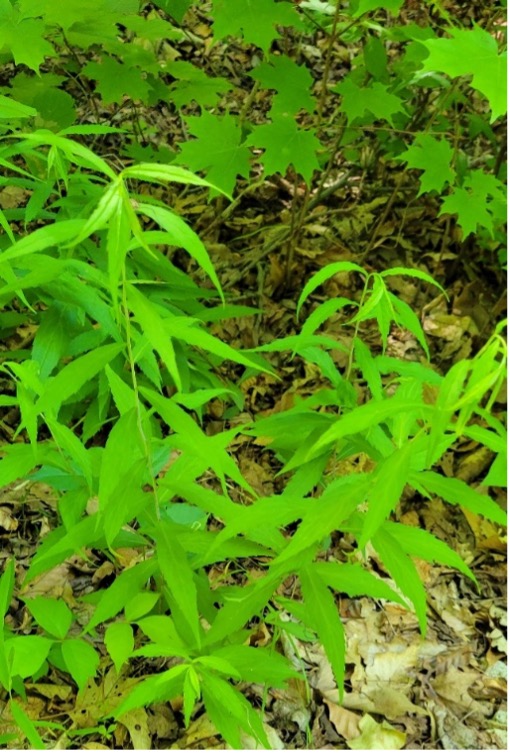
Photos by Diane Alden
The volunteers were required to take a close look before pulling the Nipplewort to avoid pulling out the native Goldenrod.
The other one we targeted for removal was Hairy bittercress, Cardamine hirsuta, in the Mustard family, with the now ripe seeds ready to shoot explosively into the soil.
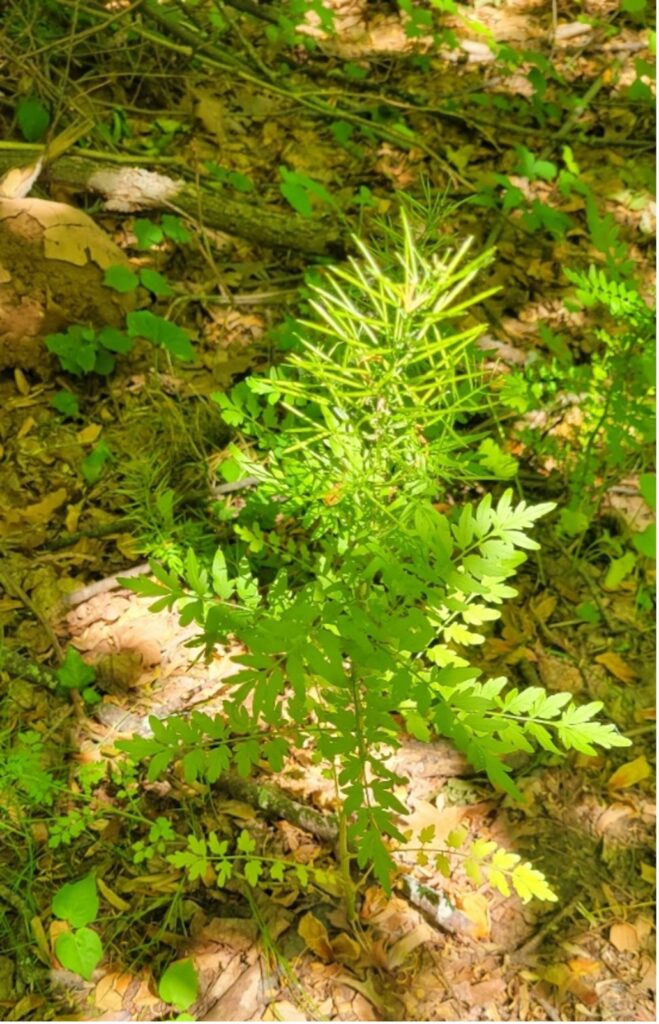
Photo by Diane Alden
After ID demonstrations, including how to identify Poison ivy, we proceeded to remove these easy to pull plants and place them in paper bags so we could weigh them.
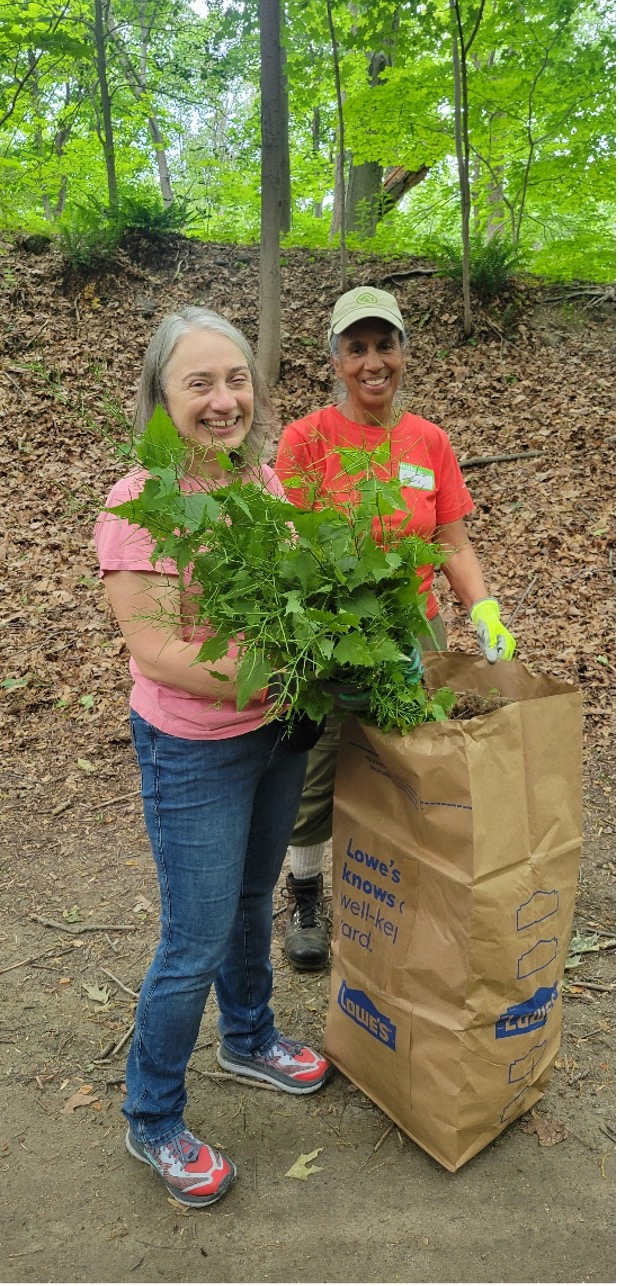
Photos by Diane Alden
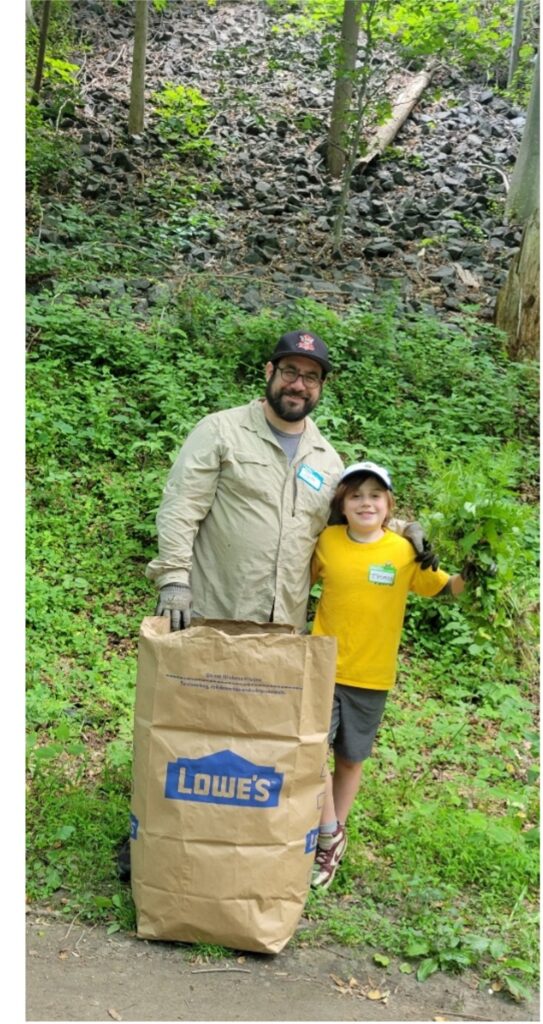
Photo by Diane Alden
We worked along the edges of the trail and up on the eastern hillside.
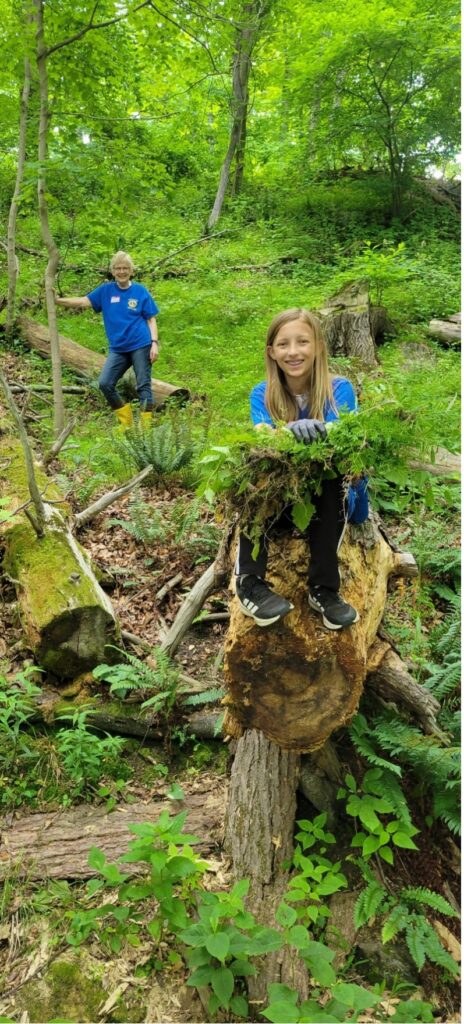
Kensie and her grandmother Leslie teamed up to entirely clear this section with enthusiasm and joy for how much they could accomplish, proud veterans of I Love My Park Day.
Those who stayed to the bitter end weighed all the bags, and carted them off for pick up by the Sanitation Department. We ended up with 66 pounds of invasive plants removed.
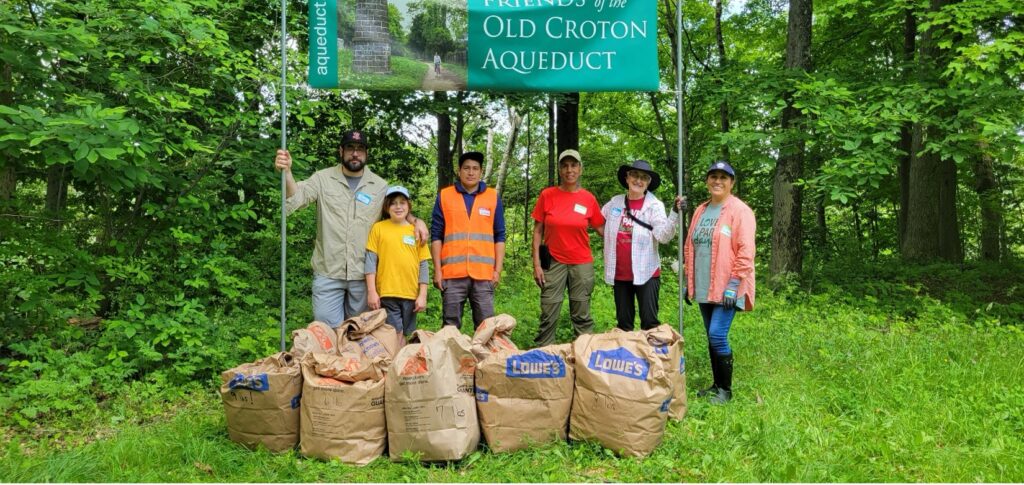
Photo by Diane Alden
Then we had a chance to snack on the Garlic mustard hummus I had prepared.
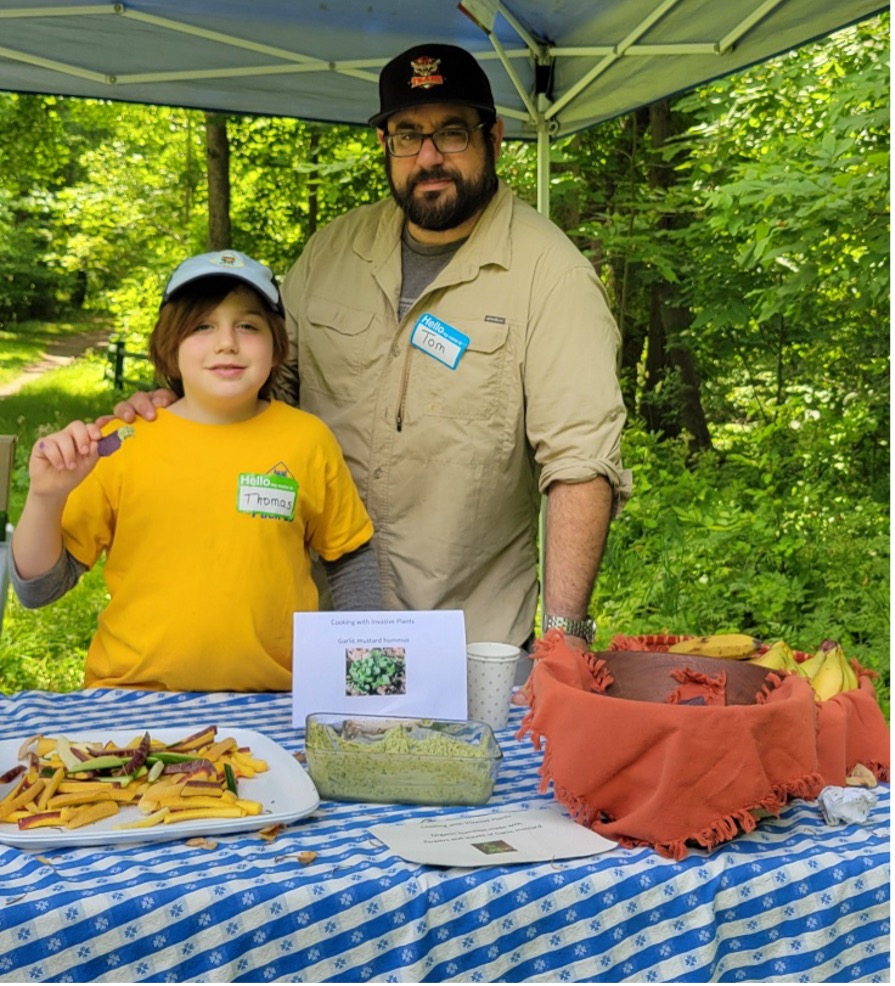
Post scripts:
Apologies to those who I did not photograph individually; I was wearing many hats: organizing, identifying the invasive plants, pointing out some of the special native plants, helping to do removal, and photographing. It was extremely rewarding to get to know the volunteers a bit this time around since we were a small group.
Just a word about why I named this section The Enchanted Forest. One of the special plants growing in this area is Enchanter’s nightshade. Its botanical name, Circaea lutetiana, honors Circe, the enchantress from Greek mythology who was famed for her knowledge of potions and herbs.
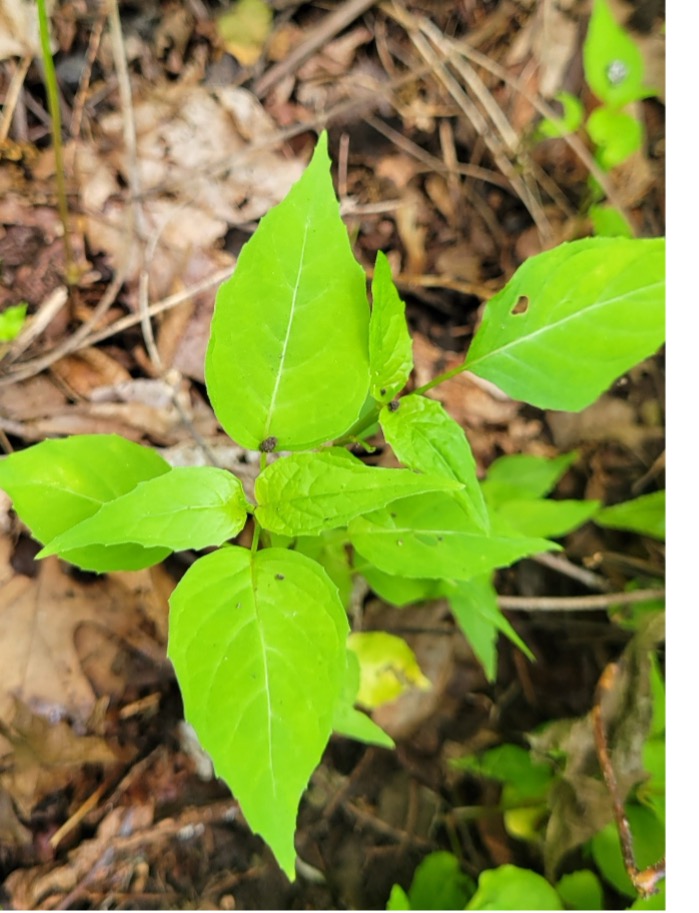
Special thanks to: John Cararco and daughter Francesca, for always attending our events on the Aqueduct and for their special diligence today in identifying the plants so carefully before pulling them out, the Town of Cortlandt for giving us permission to park on the street and promoting today’s event, to the Croton Chronical for posting the event, to the Croton Gazette for publishing my Letter to the Editor so prominently, to State Parks for providing the Port-a-potty just in case we needed it, to Jeniffer Mora who helped in advance to prepare the registration materials and then helped the volunteers sign in, put on their name tags and greeted and provided direction to the late arrivals, and to Pablo and Lizandro for setting up the table, canopy, the Volunteer Park Here signs and then breaking everything down and storing them away.
Also, appreciation is due to Norma Silva, one of the four new Board Members of the Friends of the OCA, who volunteers all over the County, this time traveling from Bronxville on June 6 to partner with me in managing this event, taking photographs and spurring us along.
And last, but most important, enormous gratitude is due to the volunteers who worked so enthusiastically and diligently to make such a significant impact on the Trail.